

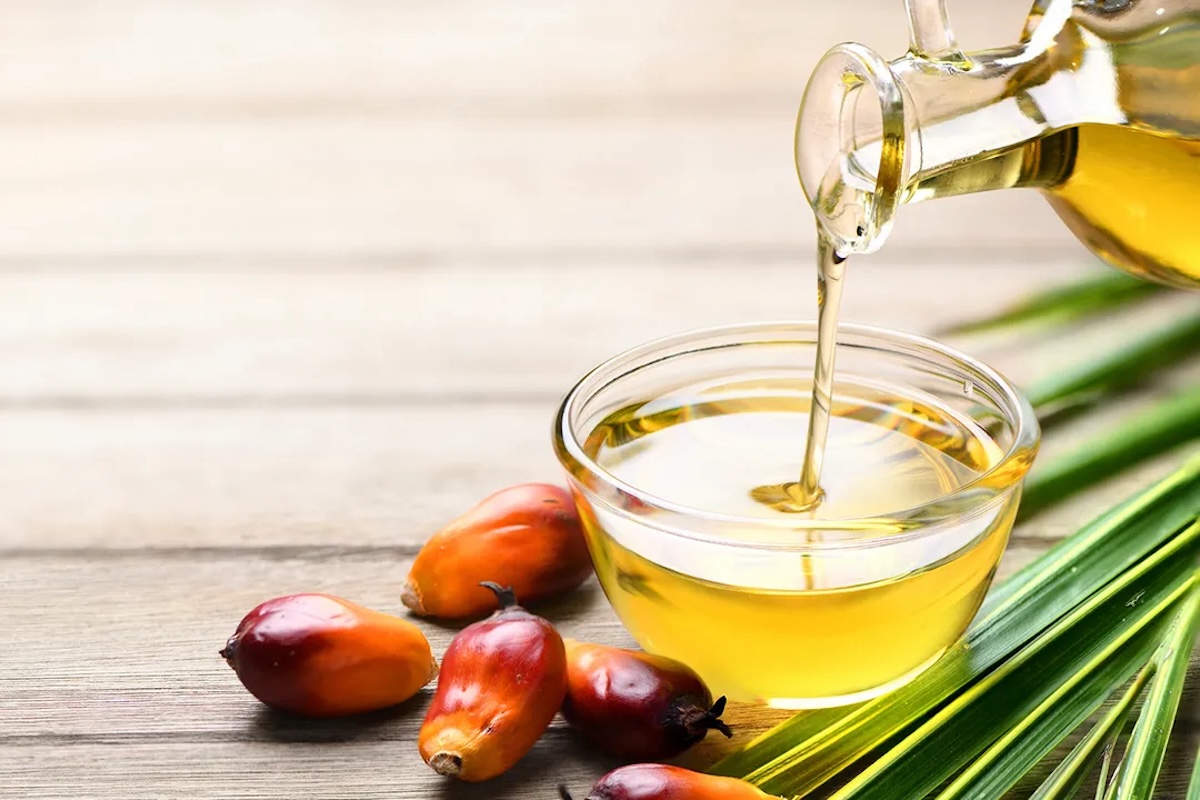
Edible oils are the key ingredient in many consumer goods, and at the center of this $253 billion sector is palm oil. Palm oil is in nearly half of everyday consumer products, from the chocolate bar in your pantry to the shampoo in your shower. This ubiquity has made palm oil the world’s most consumed vegetable oil, reaching 78 million metric tons annually.
Yet the story of palm oil is more than just a tale of product and market growth. Conventional palm oil production has a troubled history of tropical deforestation and labor concerns, driving environmental and social controversy. Given these issues, while global demand for edible oils continues to grow, consumers, business, and government have increasingly prioritized certified sustainable palm oil. Companies that manage supply chains to meet these evolving environmental and social standards have a bright future.
The Advantage Goes to Tech-Driven Traceability
Because palm oil plants can produce up to twenty times more oil per hectare than alternatives like soybean or coconut, and require less land and cost less to produce than other popular edible oils, palm oil is here to stay. The question becomes how to drive sustainability as fast as possible. Leading producers and agribusinesses are making a difference through technology. For producers, precision agriculture practices, like satellite monitoring and predictive AI, help to improve yields and reduce environmental impact.
At the supply chain level, large agribusinesses are investing in blockchain traceability systems that create reliable records from plantation to processing facilities. Meanwhile, AI-driven risk assessment tools help flag potential ESG concerns before they become violations.
Infrastructure is equally critical. Transparent trade networks now integrate high-tech storage facilities with digital logistics platforms to validate sourcing claims and ensure traceability. These innovations are combining to create the next competitive advantage: end-to-end supply chain visibility and control.
Sustainability Becomes the Standard for Premium Markets
A fully transparent supply chain is becoming the price of admission to premium markets. The Roundtable on Sustainable Palm Oil (RSPO), which requires strict traceability and environmental standards, now covers 20% of global palm oil production. The growing importance of certification also creates a new service ecosystem, from sustainability consulting to verification platforms.
At the same time, some governments are tightening import regulations. The EU Deforestation Regulation (EUDR), for example, requires detailed geolocation data and deforestation-risk assessments for all palm oil entering EU markets. Similar regulations are under development in the UK and are being considered by other major importing regions.
Producers and refiners that invest in traceability and land-use transparency can unlock price premiums and long-term contracts, as well as uphold sustainability standards. Those that don’t may face stranded assets or lose access to critical markets altogether.
The Road Ahead for Palm Oil Trading
Palm oil is not going away, but how it’s grown, certified, and traced is being redefined. The shift toward sustainable palm oil creates demand for technology and infrastructure that can guarantee transparency across edible oil supply chains.
In the next several years, industry analysts project that over 50% of globally traded palm oil will carry some form of sustainability certification. Companies that can prove chain-of-custody from plantation to end product will command price premiums, secure long-term contracts, and maintain access to premium markets. Technologies like remote sensing and digital mapping can help bring down the cost of sustainable sourcing while increasing its scale.
As the industry continues growing and related technology matures, understanding the policy landscape, certification ecosystem, and supply chain innovation will set apart the players who thrive from those that get left behind.